What the network is publishing.
Announcements from MedGrid, clinical writing from the clinicians and vendors on the platform, and the FDA daily: what FDA posted each day, with what touches MedGrid's categories first. The legal library is here too.

FDA daily
A briefing written every day from FDA's public data: shortages, approvals, recalls, clearances and label changes, with what touches MedGrid's categories first.
Posts
All field notes →Prescribing across state lines: licensure, telehealth and controlled substances in 2026
Where licensure, the physician, PA and APRN compacts, and DEA telemedicine rules stand in September 2026, with the flexibilities set to expire December 31, 2026.

What a med spa medical director is actually responsible for
Supervision, delegation, good faith exams, standing orders, chart review and prescribing: what a med spa medical director is responsible for, how rules differ by state, and what a defensible file looks like.

Marketing a medical practice without getting in trouble
FTC rules on health claims, testimonials and reviews, state board ad rules, before-and-after photos, compounded-drug advertising, and ad platform and LegitScript requirements.

HIPAA basics for aesthetic and wellness clinics
When a cash-pay clinic is a covered entity, which vendors need BAAs, and how HIPAA applies to photos, texting, email, website tracking and breach notification.

Corporate practice of medicine and the PC–MSO model, explained for clinic owners
What the corporate practice of medicine doctrine means for non-physician clinic owners, how the physician-owned PC and MSO structure works, and how the rules differ from state to state.

Buying from verified vendors: what to check before you order
Federal law requires clinics to buy prescription drugs only from authorized sources. Here's how to verify a vendor, what DSCSA means for you, red flags to watch, and records to keep.

503A or 503B? Ordering compounded medications the compliant way
503A pharmacies fill patient-specific prescriptions; 503B outsourcing facilities can supply office stock. Here's how they differ, where states diverge, and what to verify before you order.

Net 30 terms for medical supplies vs a practice card with 52-day terms
Net 30 terms for medical supplies vs a practice card with 52-day terms: how each affects cash flow, what to ask before you apply, and MedGrid Pay's terms.

Wholesale medical supplies for clinics: lower costs without a GPO
How clinics can buy wholesale medical supplies for less without a GPO: know your top items, consolidate vendors, price match with invoices, use payment terms.

How to choose a compounding pharmacy or 503B: a 12-point checklist
How to choose a compounding pharmacy or 503B outsourcing facility: 12 checks covering state licenses, FDA's 503B list, inspections, warning letters and quality.

The med spa supply list: everything a new aesthetic practice needs
A practical med spa supply list: injectables, sharps and PPE, back-bar, devices, front desk, and the compliance documents to have in place before you open.

Distributor vs medical supply marketplace: how practices buy in 2026
Distributor, specialty supplier, buying direct or a verified medical supply marketplace? Where each channel fits, and how independent practices should buy.

Can hCG be compounded? hCG, tesamorelin and the biologics rule
Can hCG be compounded? No: since March 2020 hCG, tesamorelin and hGH are licensed biologics outside 503A/503B. See sourcing rules and where sermorelin stands.

How to buy Botox wholesale safely: authorized channels and red flags
How to buy Botox wholesale safely: the seven FDA-licensed toxins, 2024 counterfeit red flags, authorized channels, lot checks and Import Alert 66-41.

Are exosomes FDA approved? What aesthetic and regen clinics must know
Are exosomes FDA approved? No. See how FDA regulates exosomes, 361 vs 351 HCT/P rules, topical cosmetic claims, and the Utah, Vermont and Florida state laws.
Compounded semaglutide & tirzepatide in 2026: what clinics can order
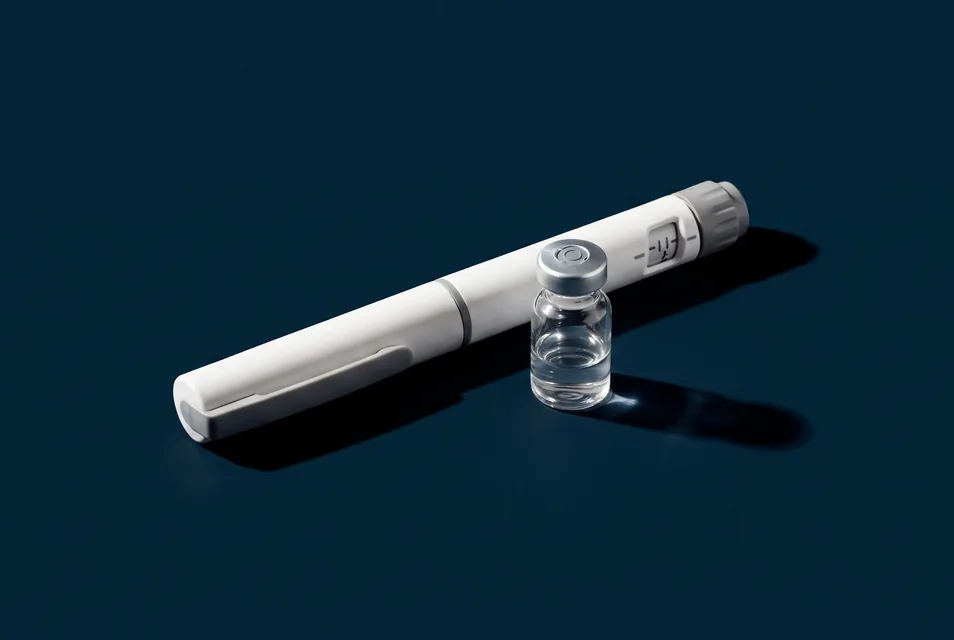
Compounded semaglutide in 2026: shortages are over and the Fifth Circuit sided with FDA. See what clinics can still order, 503B limits and copy documentation.

Is BPC-157 legal for clinics? The FDA status of peptides in 2026
Is BPC-157 legal for clinics? Not yet: it left Category 2 in April 2026 but isn't on the 503A bulks list. See the July PCAC votes, RUO risks and what to watch.

Telehealth testosterone prescribing in 2026: DEA and state rules
Telehealth testosterone prescribing in 2026: the DEA extension through Dec. 31, the pending special registration, and state in-person, CSR and PDMP rules.

Office use compounding by state: where clinics can stock 503A drugs
Office use compounding by state for 2026: where 503A office stock is still allowed, where rules changed, and which states license out-of-state 503Bs.

Physician dispensing laws by state (2026): can you dispense in-office?
Physician dispensing laws by state for 2026: where in-office dispensing needs a permit, where it is capped, and the limits on dispensing testosterone.

IV therapy regulations by state: exams, standing orders and mobile IV
IV therapy regulations by state for 2026: which boards require a prescriber exam, ban standing orders, restrict LPNs and regulate mobile IV. All 51 covered.

Who can inject Botox and fillers? State-by-state rules for 2026
Who can inject Botox and fillers in your state? See 51 jurisdictions: where RNs may inject, where they cannot, and which states require on-site supervision.
Free to join: your NPI is checked against the federal registry at signup, then wholesale pricing and the professional shelves open.
Legal library
Plain-language summaries, full documents one click awayWrite for the network.
Doctor-authored posts and webinars reach every verified account on the platform — pitch a topic from your practice and we will follow up with you.
More to read and use.
Learn live, meet us in person
Live webinars, recordings, and the conferences where you can meet the MedGrid team.

Legal resource center
The federal floor for each product class, and what your state adds on top.

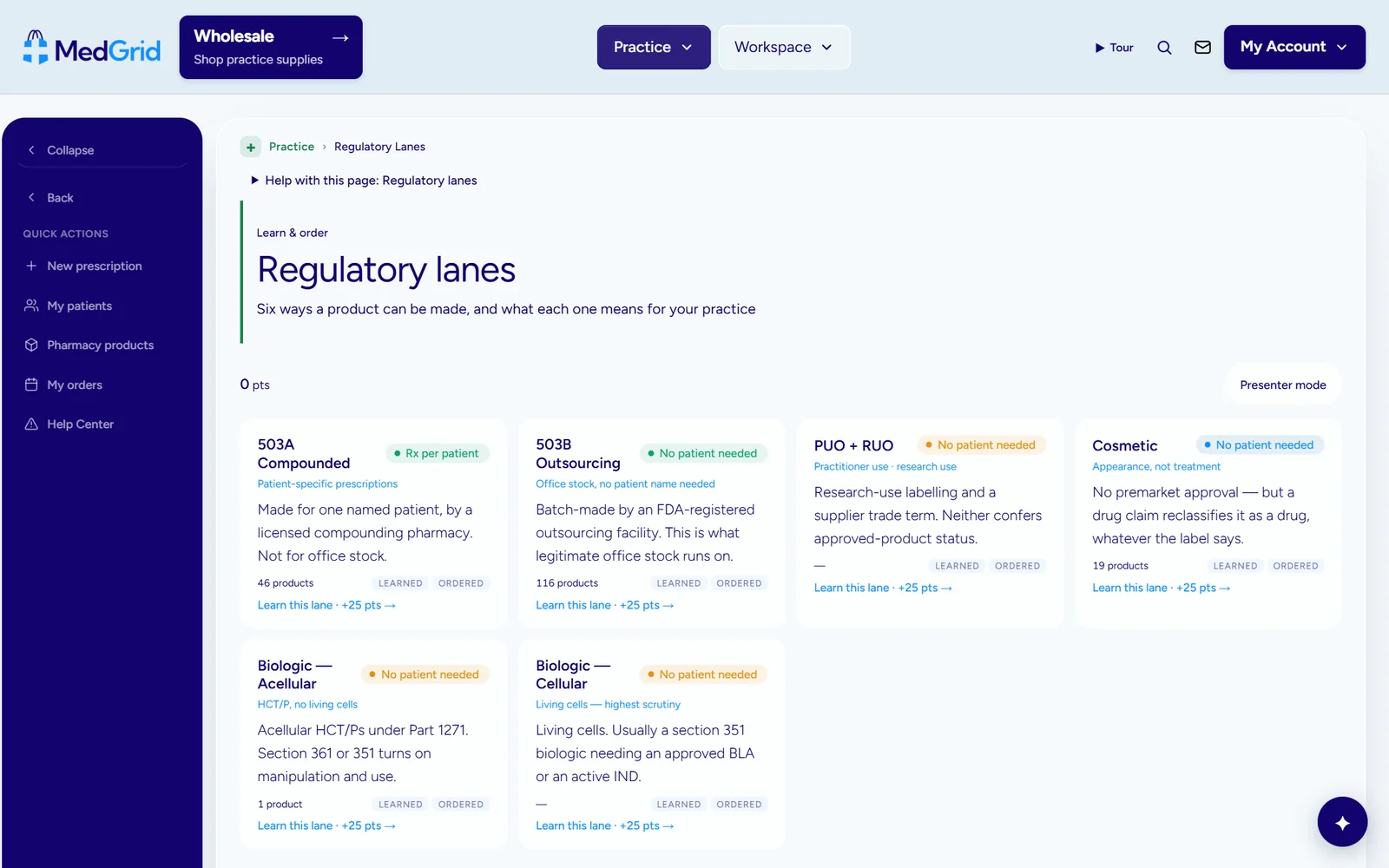
Regulatory lanes
Six ways a product can be made, and what each one means for your practice.